
In interior design, lighting isn’t a secondary element to define at the execution stage. It’s a decision that guides the entire project.
It defines volumes, proportions and the perception of space, directly influencing both quality and how the space is experienced.
Lighting doesn’t just make a space visible — it shapes the everyday experience, impacting visual comfort, functionality and well-being.
In residential design, a clear shift in approach has taken place. The focus has moved from the light source as an isolated object to a lighting system conceived from the start as an integral part of the project. This is where the role of the designer becomes central: lighting isn’t added at the end, it’s controlled through technical, deliberate choices tailored to each space.
Designing light today: core principles
An effective lighting plan is built around a few key principles.
The first is visual comfort: avoiding glare, distributing light correctly, and selecting colour temperatures that suit the space. In residential settings, for instance, warmer tones help create a cosy atmosphere and reduce eye strain in the evening.
The second principle is layering. Combining ambient light, task lighting and accent lighting allows the space to adapt to different uses and times of day.
The third is control: dimmers, scene settings and precise control over activation points turn light into a flexible tool that can evolve with the space.
From a single light point to a coordinated system
Moving beyond the single central light point is a direct result of these design principles. When visual comfort, layering and control guide the project, one source alone is no longer enough to meet the complexity of contemporary living. Light becomes a coordinated set of interventions, placed intentionally throughout the space to manage intensity, direction and quality.
Wall lights, architectural integrations, indirect sources and continuous linear profiles all contribute to balanced, functional environments with a visually lighter impact. The chandelier is not excluded by default, but reinterpreted as one of several possible elements within a broader, more cohesive system.
Light in different areas of the home: what to consider
When theory meets practice, it’s more useful to think in terms of scenarios than single rooms. Each area in the home requires a specific balance between function and atmosphere, but the logic remains the same: lighting should match how the space is actually used.

The bedroom
The bedroom is a prime example. Here, lighting supports different actions — waking up, reading, resting — and needs to be layered.
Wall lamps, like sconces placed beside the bed, replace traditional bedside lamps, freeing surfaces and improving ergonomics. Indirect lighting integrated behind the headboard or into a ceiling cove helps create a calm, evening-friendly atmosphere. Reading lights must be focused and directional, ensuring comfort without disturbing others.

The bathroom
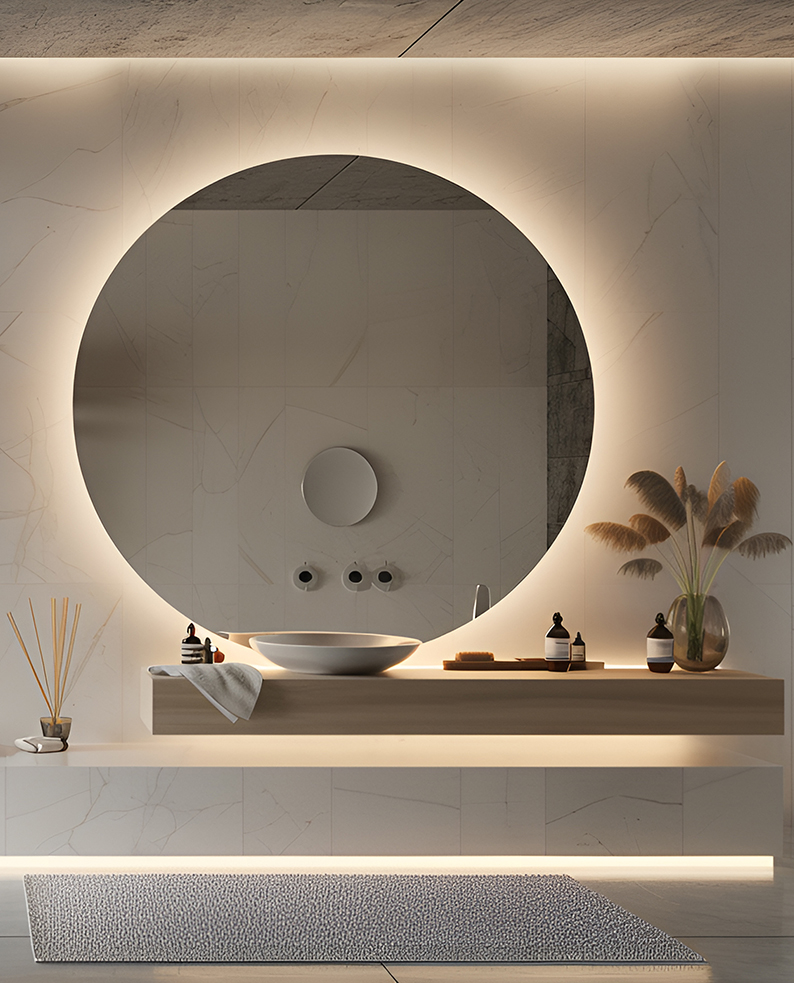
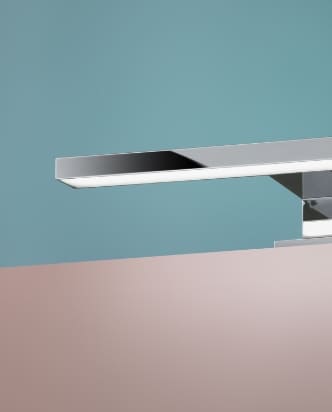
In the bathroom, lighting must be both functional and well-controlled. Lighting near the mirror is key: even, shadow-free light improves visibility and the overall experience.
Alongside functional light, indirect or diffuse lighting is increasingly common, integrated into furniture, false ceilings or architectural elements, helping the room feel less technical and more balanced.
Here, lighting choices must also meet safety and regulatory standards, such as protection ratings and reliability, without compromising on design consistency.

The living area
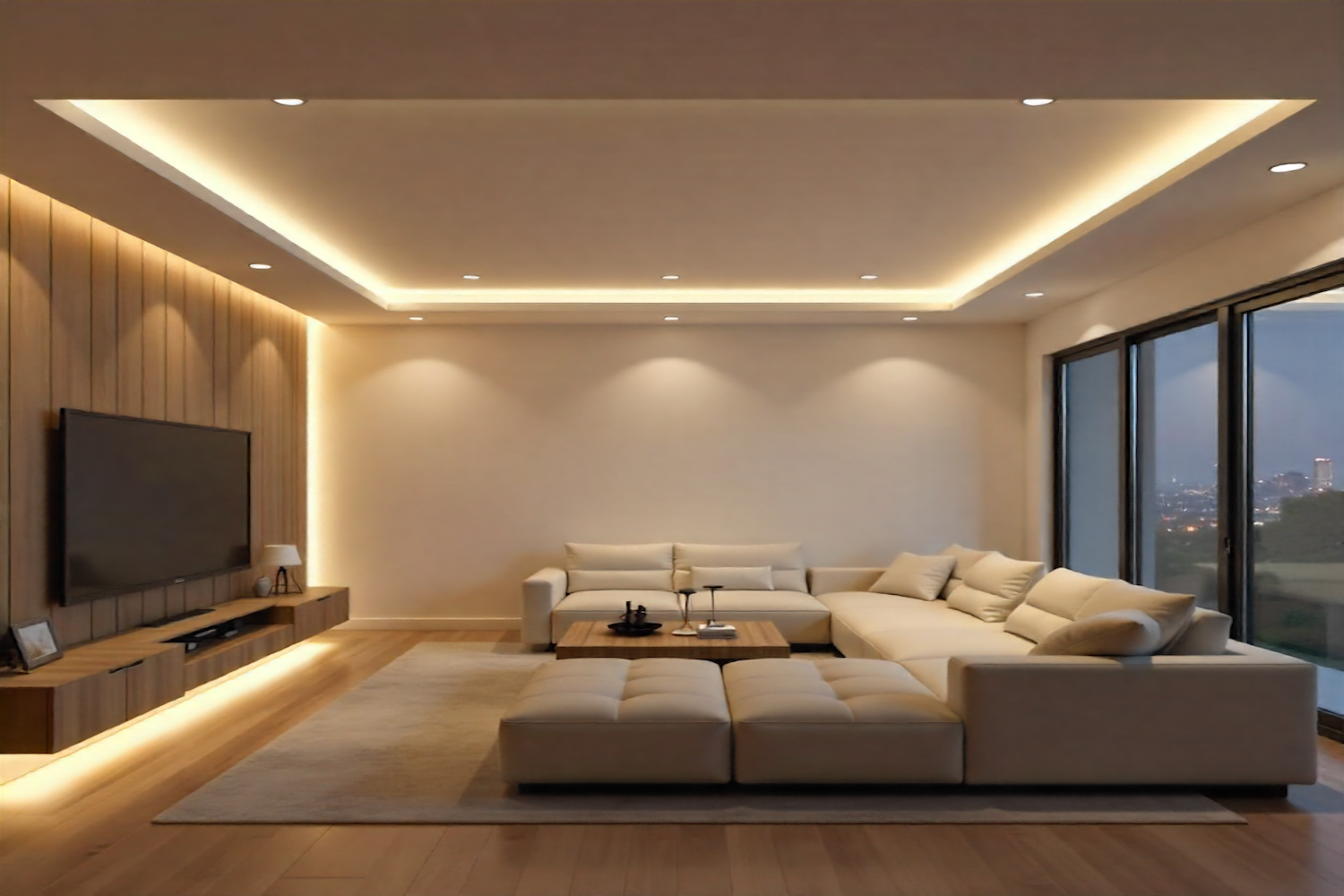
In the living area, lighting helps define distinct zones within a single space. It doesn’t just illuminate; it gives structure, connects or separates areas, follows everyday routines and highlights materials and finishes. Through a mix of diffuse light, accent points and architectural integrations, the living space gains depth and complexity, always aiming for visual balance and avoiding visual overload.
Transitional spaces
In hallways, corridors and connecting zones, lighting acts as a guide. It supports movement, directs the gaze, and makes the space more legible even without natural light. Continuous or pinpoint solutions, integrated into the architecture, help maintain consistency without weighing down these highly functional areas.
Integrated light and LEDs: when technology becomes design
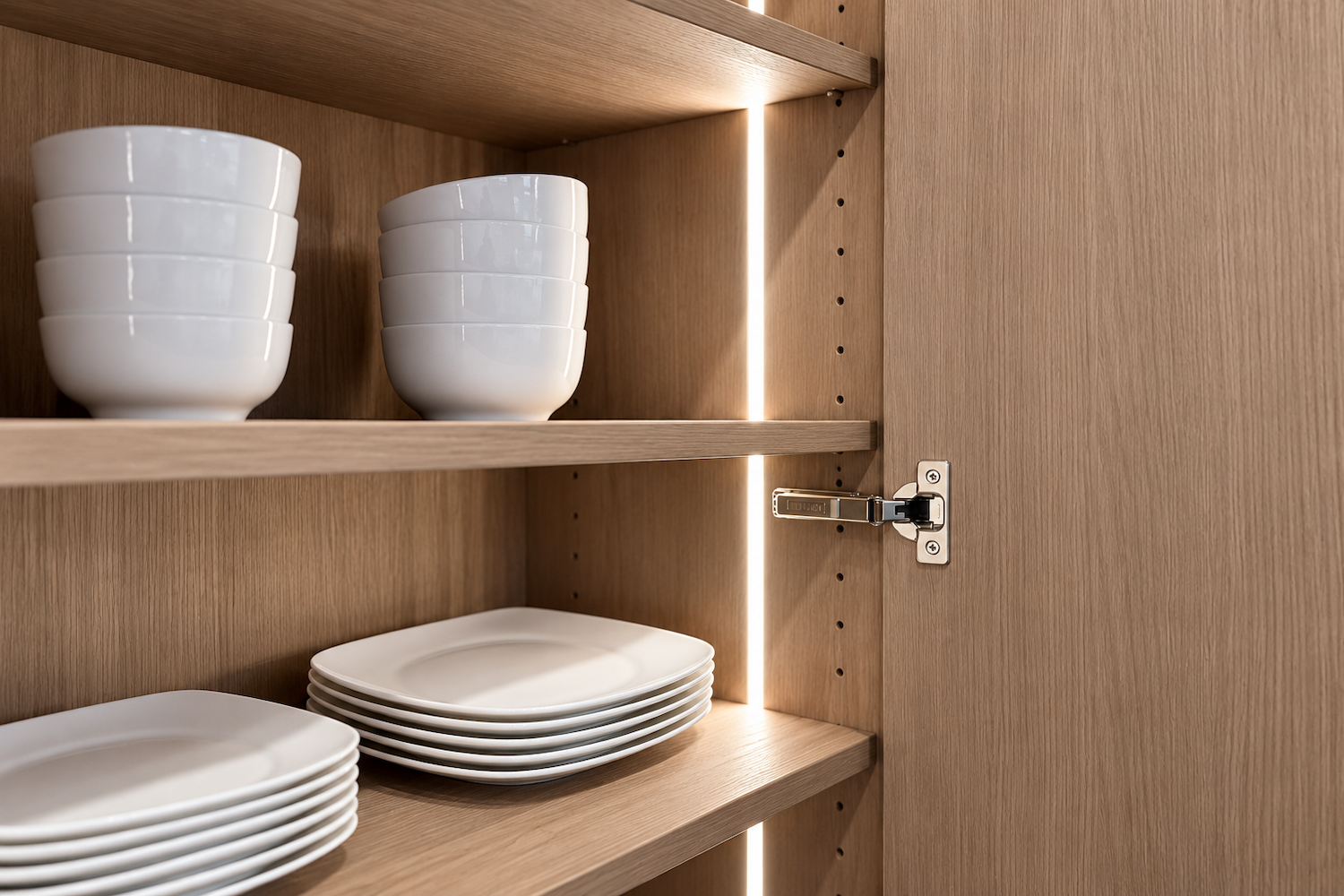
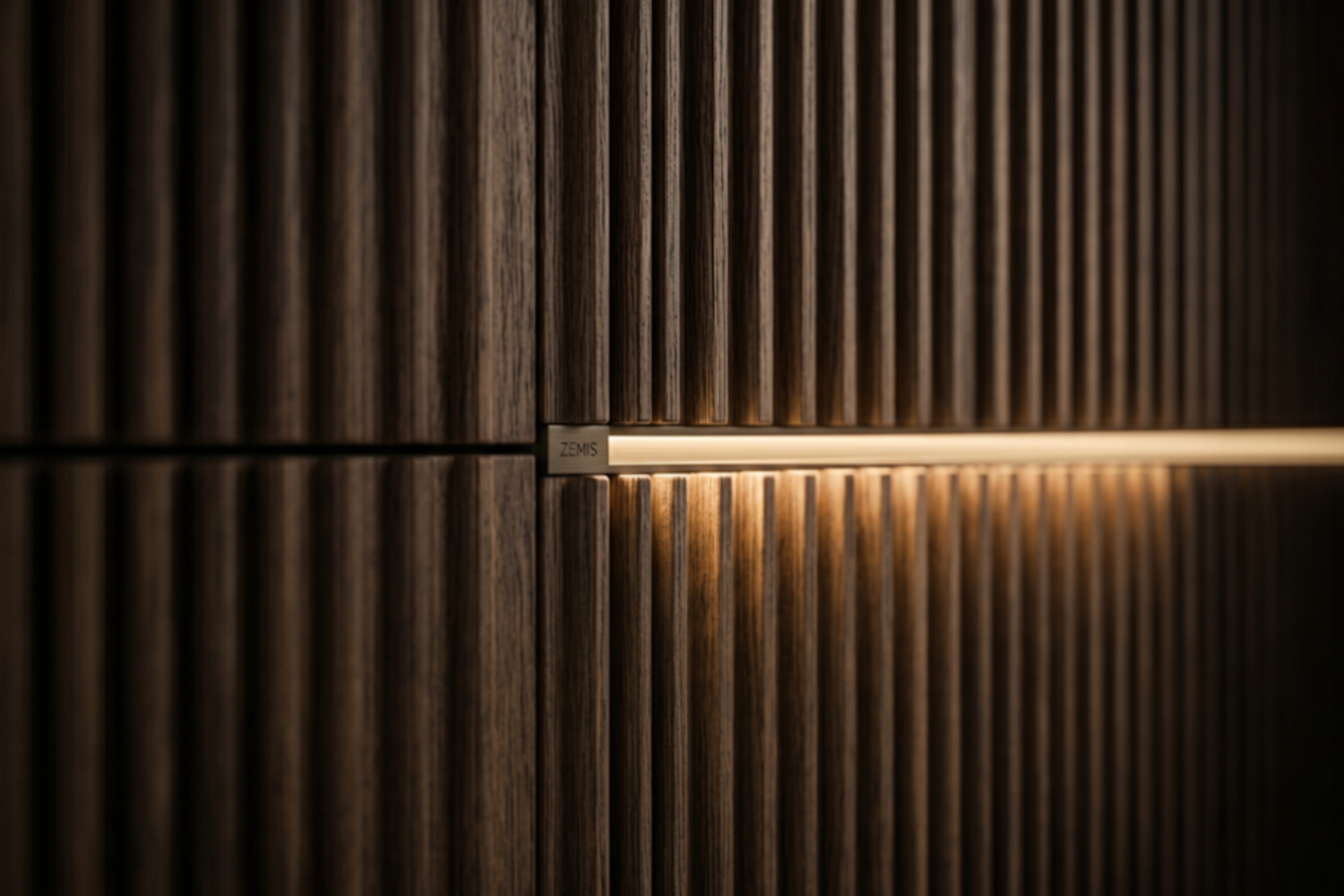
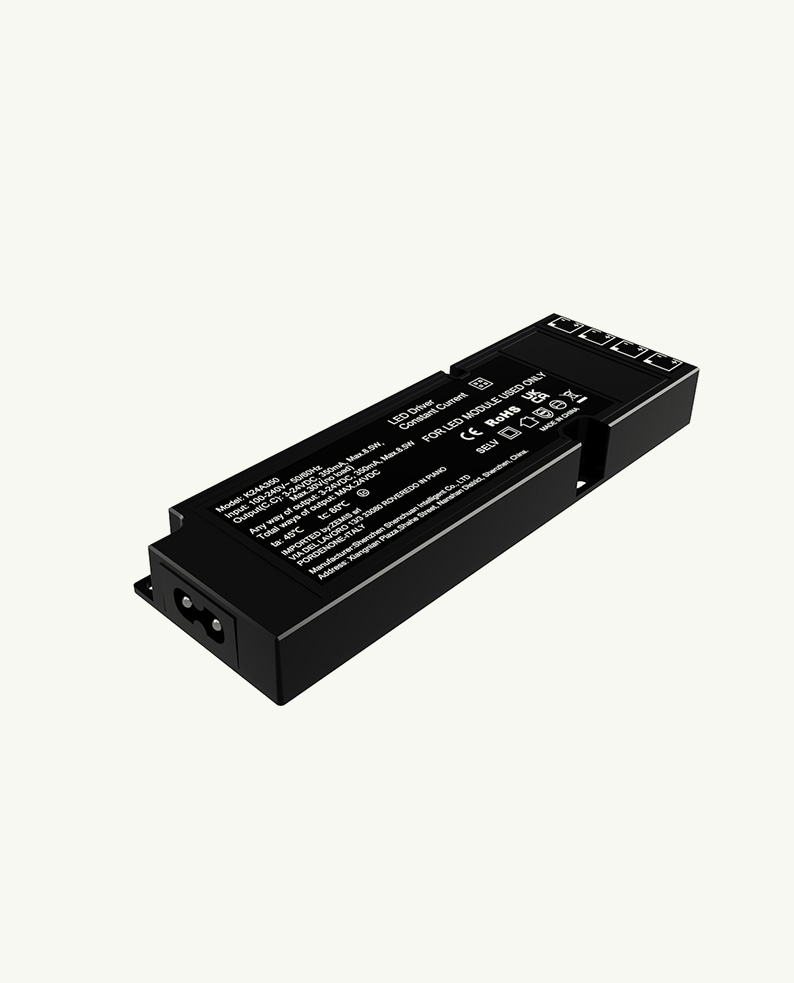
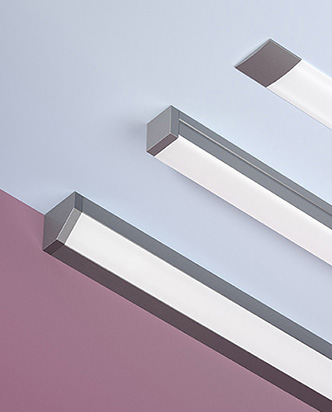
The rise of LED technology has significantly expanded design possibilities. Today, LEDs are no longer just efficient sources. They are versatile tools, adaptable to different settings thanks to varied formats, power levels and mounting options. Linear profiles, recessed or surface-mounted systems, and continuous runs allow light to be fully integrated into architecture, becoming part of the language of the space. When technology supports design, light steps back from being a visual focal point and becomes a silent infrastructure — enhancing materials, shapes and volumes.
Designing light means designing the experience
Thinking of light as a design element means looking beyond the single fixture. It means building a coherent system that responds to the needs of the project and evolves over time. It’s a task that requires technical expertise, attention to detail and a clear vision of the end result.
When lighting is designed with method and intention, it becomes a powerful tool. It doesn’t impose — it supports. It doesn’t show — it’s perceived. And in this balance, it becomes essential to the quality of the lived space.