
In contemporary kitchen design, light is an invisible infrastructure: it does not merely illuminate, but shapes the perception of space and defines its identity.
It is the element that establishes visual hierarchies between surfaces and shapes volumes. The kitchen is not simply made visible: it is interpreted.
The direction of the material: depth and contrast
Light affects not only visibility but also the quality of the space. A kitchen can be perfectly lit ‘on paper’ and, at the same time, appear flat, lacking in character, almost clinical: this is the limitation of lighting conceived solely in quantitative terms.
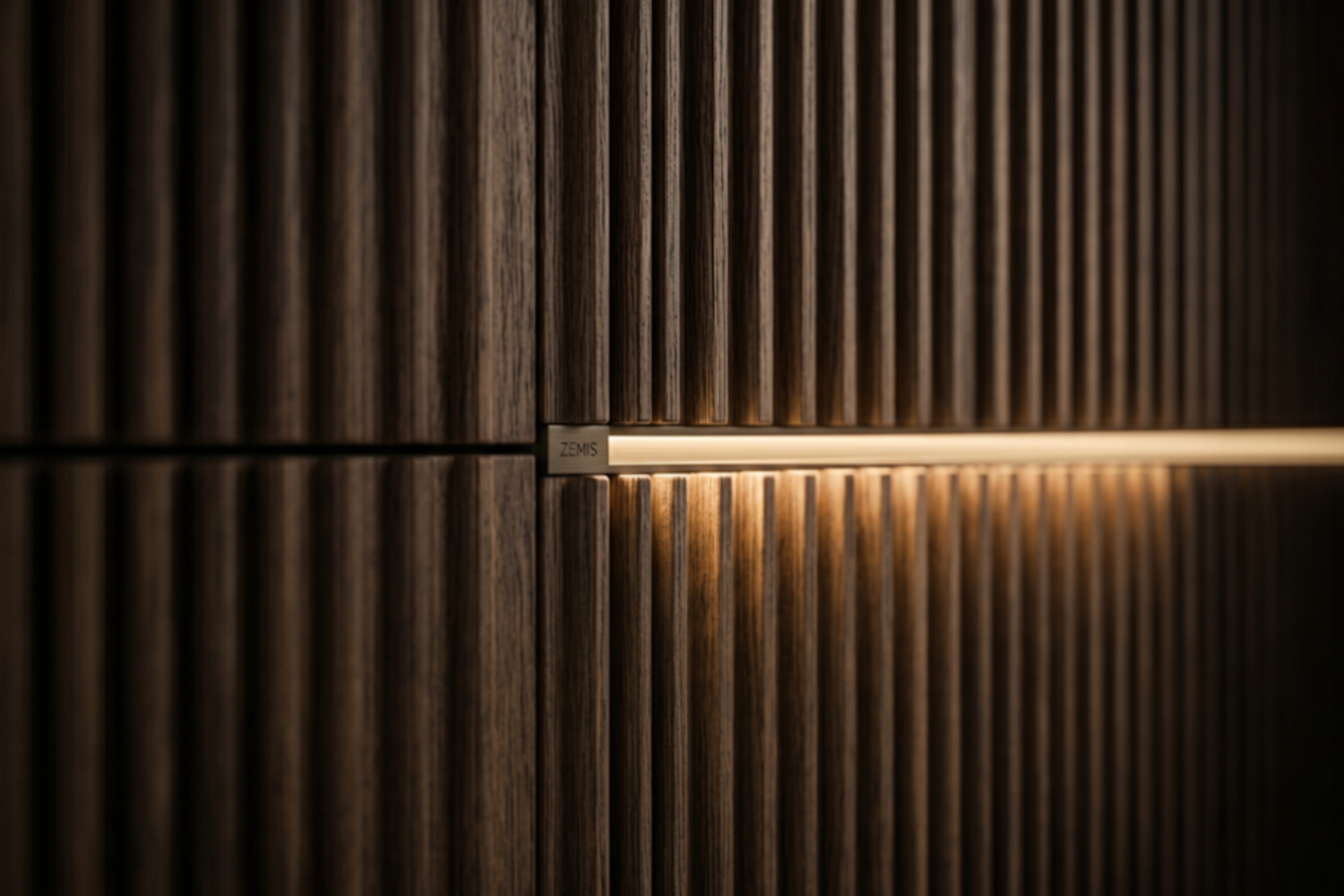
Designing lighting, on the other hand, means working on perception and emotions, building an active relationship between light and material. The aim is to restore depth, generating controlled contrasts and giving rhythm to surfaces.
This is where Layered Lighting comes in: a layered lighting approach that moves beyond uniformity and introduces visual hierarchies. It is in this balance that materials take on a new character: surfaces gain depth, contrasts become clear, and the space transforms from a static composition into a perceptual experience.

Colour quality: colour fidelity
The quality of light is not measured solely in terms of intensity, but in its ability to render colours naturally.
A high colour rendering index is not merely a technicality, but a necessary condition for maintaining naturalness and consistency. The tones of a lacquered finish or the grain of wood must appear as they are, without alteration or loss of intensity.
In the kitchen, the right colour quality preserves the value of the design and ensures continuity between the choice of materials and the visual result.

Operational precision and visual comfort
Light in the kitchen is not just about atmosphere: it is a tool that directly affects the quality of the user experience. It must ensure clarity and legibility, eliminating any shadows that might compromise the functionality of the space.
The interior of the cabinet
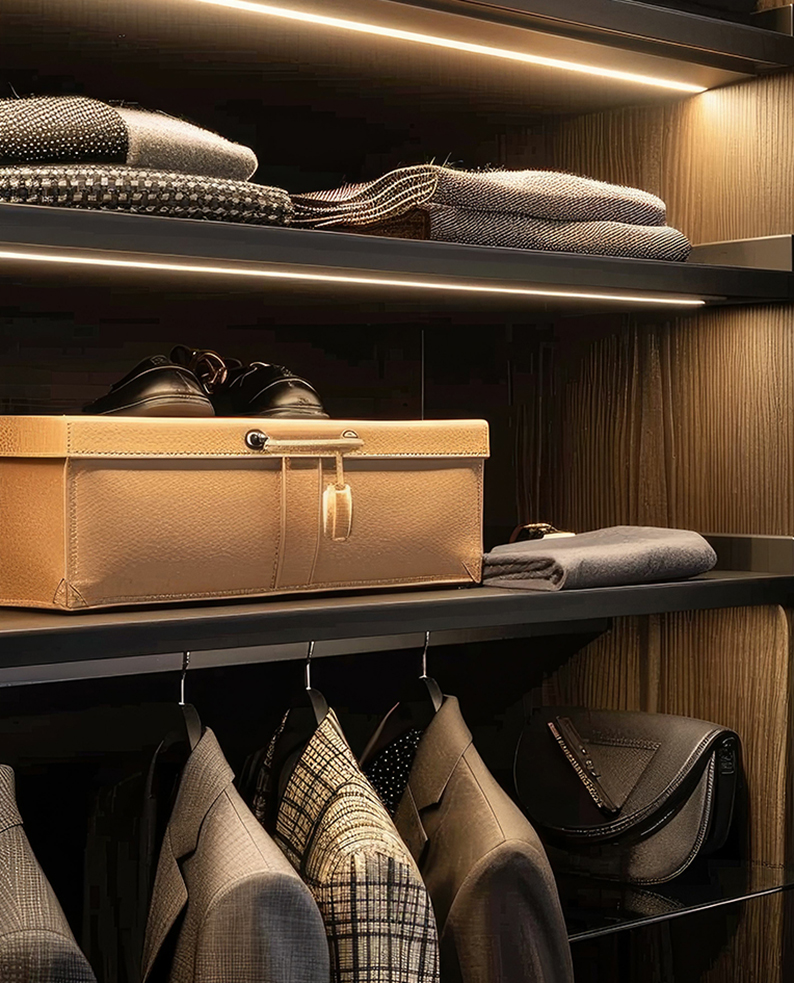
Lighting cupboards and shelves is not an afterthought, but a design choice that completes the cabinet. A compartment without light remains partially unresolved, limiting both perception and use.
Integrated solutions such as Cassele by Zemis, designed to elegantly illuminate the interior of drawers, allow light to be directed exactly where it is needed, transforming the storage space into an enhanced environment.
- Immediate clarity: every object is visible at a glance, without the need to search in dark areas.
- Perceived quality: attention to detail extends even to hidden spaces, reinforcing the idea of a design that is meticulously crafted in every aspect.
- Depth and order: a well-lit interior appears more spacious, clear and organised.
It is in this combination of function and perception that task lighting finds its role: to make the experience fluid, natural and uninterrupted.

Trends in kitchen lighting
Modern kitchen design favours a minimalist aesthetic. The light source is reduced, integrated, until it disappears.
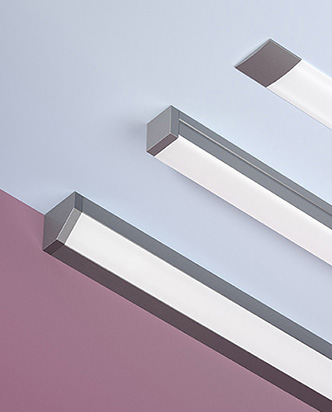
- Micro-integration: minimalist LED profiles, incorporated into the materials, transform light into a discreet, almost immaterial presence.
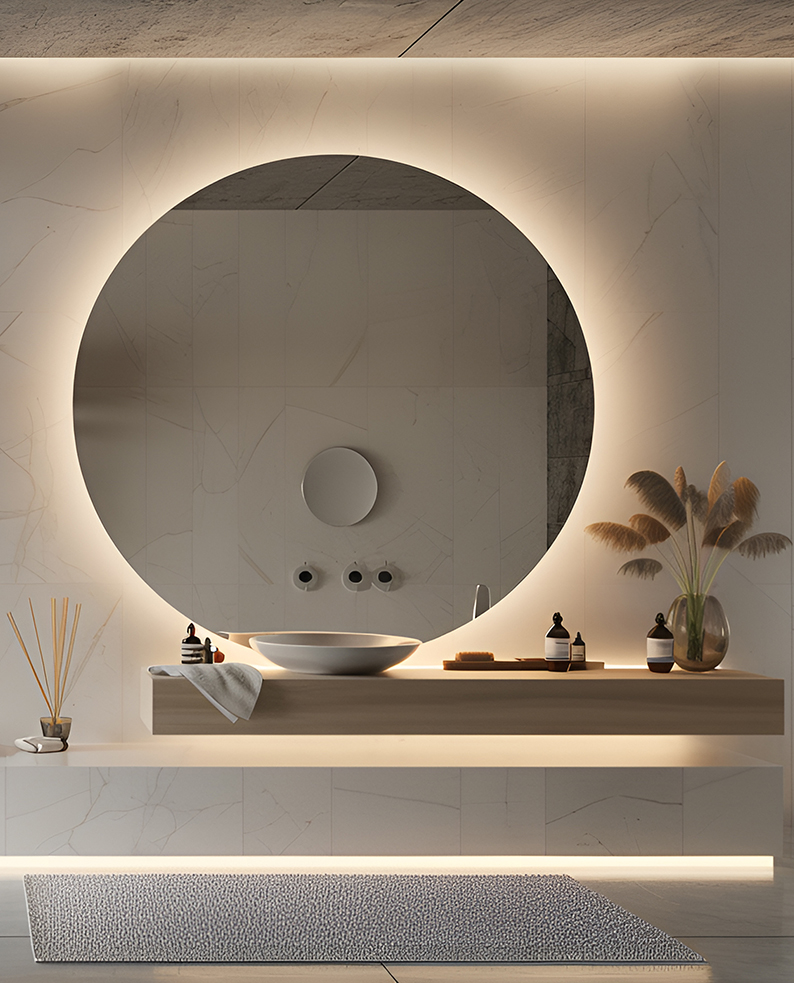
- Wall washing: light flows over vertical surfaces, emphasising textures and depth, creating three-dimensional scenes.
- Dynamic lighting: the kitchen changes character with a simple touch. Thanks to Tunable White technology, the intensity and colour temperature adapt to the time of day, shifting from a technical light to a warmer, more convivial one.
Technology does not show off: it blends in.
Long-lasting quality
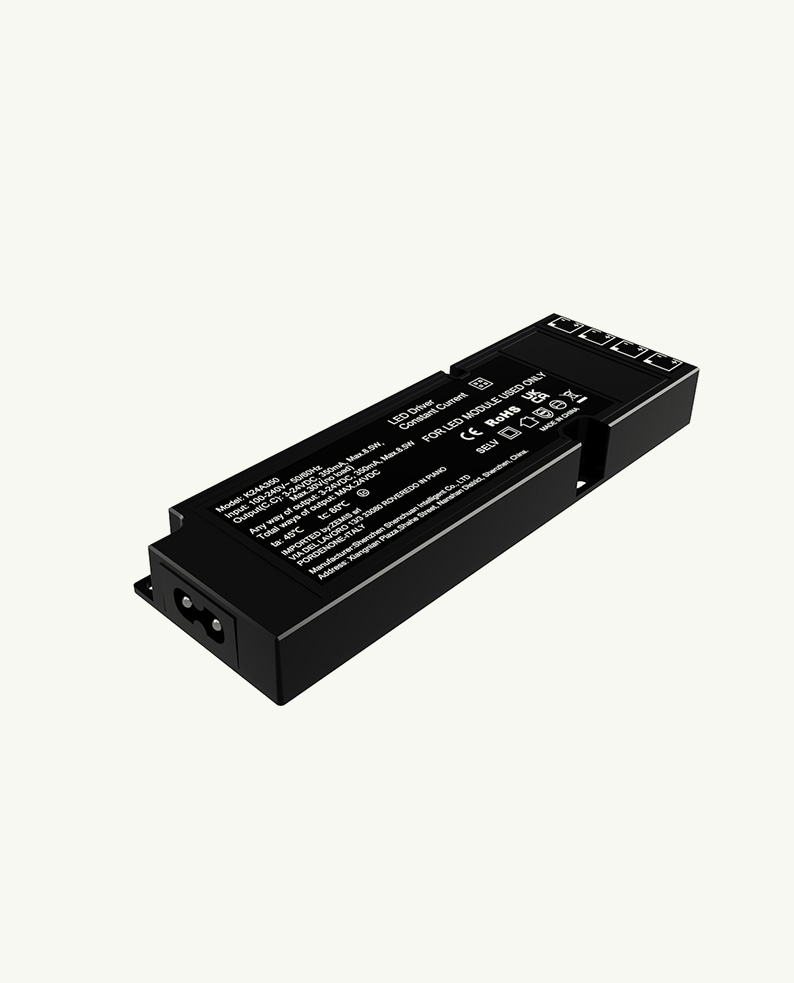
Technical integration is part of the design. Aluminium heat sink profiles ensure colour stability and reduce the risk of premature lumen depreciation.
The quality of the light is not just immediate: it is a matter of lasting performance.